
"roast degradation"
200 article(s) found

There are more than 800 fragrances of fine coffee.
The aroma of coffee itself is the main reason for the overall flavor properties, which is different from the perceived taste and sweetness, saltiness, bitterness and sour taste. Aroma is the most important product attribute of special coffee, and even instant coffee aroma substances can stimulate our taste buds. The difference is that instant coffee lacks the most important aromatic volatile components, which also leads to a decrease in the overall flavor.

The basic chemical reaction of coffee knowledge during coffee roasting.
Many thermal and chemical reactions take place during baking: decarbonation, dehydration of quinic acid, subdivision, isomerization, polymerization, and complex sugar reactions (caramelization). The main components of the thermal reaction are monosaccharides and sucrose, chlorogenic acid, free amino acids, and fenugreek amide. Both aravinose and calactose in the polysaccharides are transferred, and the basic vulcanization process includes hydroxylamine.
Coffee training Information-Coffee has more than 800 fragrances
The aroma of coffee itself is the main reason for the overall flavor properties, which is different from the perceived taste and sweetness, saltiness, bitterness and sour taste. Aroma is the most important product attribute of special coffee, and even instant coffee aroma substances can stimulate our taste buds. The difference is that instant coffee lacks the most important aromatic volatile components, which also leads to a decrease in the overall flavor.

Where does the sour, bitter, sweet and sweet in the single coffee come from? Why does single coffee taste sour?
Professional coffee knowledge exchange more coffee bean information Please follow the coffee workshop (Wechat official account cafe_style) individual coffee where does the sour, bitter, sweet and sweet come from? Why does individual coffee taste sour? Our common brown coffee beans, with a little aroma, are ripe beans of coffee, which have been roasted. Unbaked coffee is called raw beans or mung beans (green)

Coffee Common sense Coffee has more than 800 flavors
The aroma of coffee itself is the main reason for the overall flavor properties, which is different from the perceived taste and sweetness, saltiness, bitterness and sour taste. Because, it can be said that aroma is the most important product attribute of special coffee, even instant coffee aroma substances can stimulate our taste buds. The difference is that instant coffee lacks the most important aromatic volatile components, which also leads to
Coffee Common sense Coffee has more than 800 flavors
The aroma of coffee itself is the main reason for the overall flavor properties, which is different from the perceived taste and sweetness, saltiness, bitterness and sour taste. Because, it can be said that aroma is the most important product attribute of special coffee, even instant coffee aroma substances can stimulate our taste buds. The difference is that instant coffee lacks the most important aromatic volatile components, which also leads to
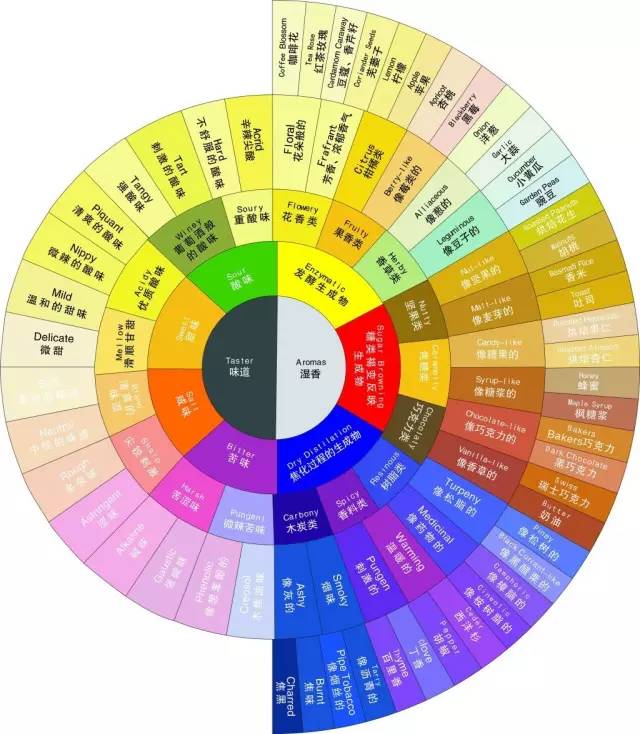
Coffee flavor wheel: bitter and salty, sour and sweet
Following Cafe Review (Wechat official account vdailycom) found that coffee has only four water-soluble tastes: sour, sweet, bitter and salty, so the taste spectrum is not as complicated as the smell spectrum described in the previous chapter. Some sour and new aromatic compounds are only volatile and need to be identified by aversion, while others are not volatile, only water soluble, and need to be identified by taste buds.
Information article-there are more than 800 aromas of coffee
The aroma of coffee itself is the main reason for the overall flavor properties, which is different from the perceived taste and sweetness, saltiness, bitterness and sour taste. Aroma is the most important product attribute of special coffee, and even instant coffee aroma substances can stimulate our taste buds. The difference is that instant coffee lacks the most important aromatic volatile components, which also leads to a decrease in the overall flavor.

Coffee cup test knowledge the aroma of coffee has exceeded 800 kinds.
The aroma of coffee itself is the main reason for the overall flavor properties, which is different from the perceived taste and sweetness, saltiness, bitterness and sour taste. Aroma is the most important product attribute of special coffee, and even instant coffee aroma substances can stimulate our taste buds. The difference is that instant coffee lacks the most important aromatic volatile components, which also leads to a decrease in the overall flavor.
Basic chemical reactions that occur during coffee roasting
Many thermal and chemical reactions take place during baking: decarbonation, dehydration of quinic acid, fragmentation, isomerization, polymerization, and complex sugar reactions (caramelization). The main thermally reactive components are monosaccharides and sucrose, chlorogenic acid, displaced amino acids, and trigonelline amide. Both aravinone and calactose in polysaccharides are transferred, and basic sulfurization contains hydroxyamino acids.

Basic chemical reactions of coffee beans during coffee roasting
Many thermal and chemical reactions take place during baking: decarbonation, dehydration of quinic acid, subdivision, isomerization, polymerization, and complex sugar reactions (caramelization). The main components of the thermal reaction are monosaccharides and sucrose, chlorogenic acid, free amino acids, and fenugreek amide. Both aravinose and calactose in the polysaccharides are transferred, and the basic vulcanization process includes hydroxylamine.

The basic chemical reactions that take place during coffee roasting
Many thermal and chemical reactions take place during baking: decarbonation, dehydration of quinic acid, subdivision, isomerization, polymerization, and complex sugar reactions (caramelization). The main components of the thermal reaction are monosaccharides and sucrose, chlorogenic acid, free amino acids, and fenugreek amide. Both aravinose and calactose in the polysaccharides are transferred, and the basic vulcanization process includes hydroxylamine.
The basic chemical reaction of coffee roasting process
Many thermal and chemical reactions take place during baking: decarbonation, dehydration of quinic acid, subdivision, isomerization, polymerization, and complex sugar reactions (caramelization). The main components of the thermal reaction are monosaccharides and sucrose, chlorogenic acid, free amino acids, and fenugreek amide. Both aravinose and calactose in the polysaccharides are transferred, and the basic vulcanization contains hydroxylated amino acid.
The basic chemical reaction that takes place during coffee roasting.
Basic chemical reactions that occur during coffee roasting author: Carl Staub originates from the SCAA baking color classification system, developed by Agtron SCAA 1995 original text from: http://www.sweetmarias.com/roast.carlstaub.html translation: Grant, http://www.baristacn.com/forum/thread-1583-1-1.html in the roasting process
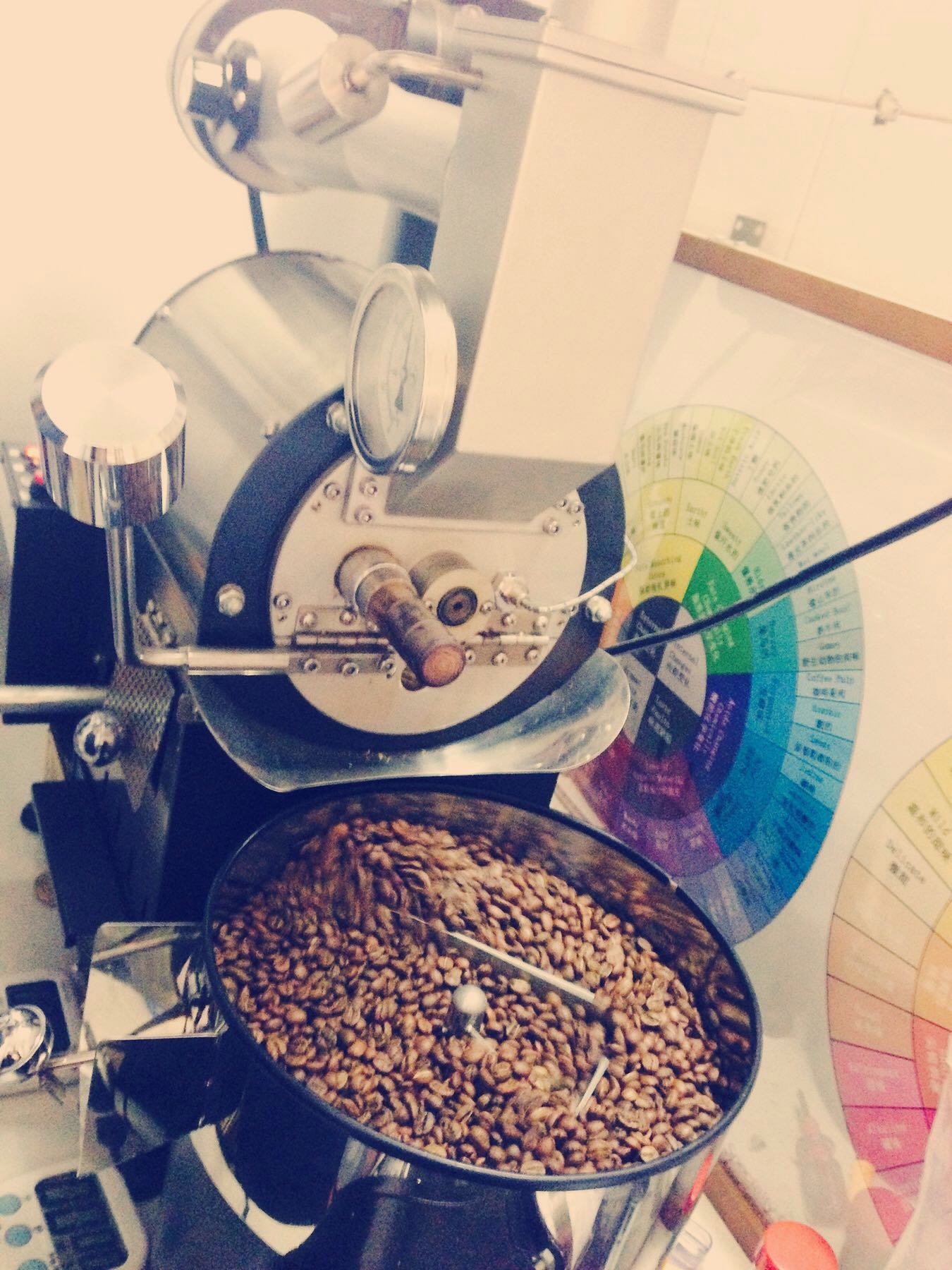
Key points of coffee roasting techniques: basic chemical reactions that take place during coffee roasting
Basic chemical reactions that occur during coffee roasting author: Carl Staub originates from the SCAA baking color classification system, developed by Agtron SCAA 1995 original text from: http://www.sweetmarias.com/roast.carlstaub.html translation: Grant, http://www.baristacn.com/forum/thread-1583-1-1.html in the roasting process
The basic chemical reaction that takes place during coffee roasting.
Many thermal and chemical reactions take place during baking: decarbonation, dehydration of quinic acid, subdivision, isomerization, polymerization, and complex sugar reactions (caramelization). The main components of the thermal reaction are monosaccharides and sucrose, chlorogenic acid, free amino acids, and fenugreek amide. Both aravinose and calactose in the polysaccharides are transferred, and the basic vulcanization process includes hydroxylamine.

The basic chemical reactions that take place during coffee roasting
Many thermal and chemical reactions take place during baking: decarbonation, dehydration of quinic acid, subdivision, isomerization, polymerization, and complex sugar reactions (caramelization). The main components of the thermal reaction are monosaccharides and sucrose, chlorogenic acid, free amino acids, and fenugreek amide. Both aravinose and calactose in the polysaccharides are transferred, and the basic vulcanization process includes hydroxylamine.
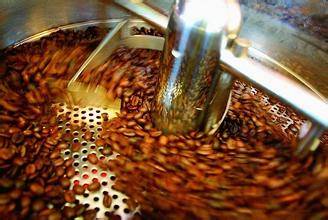
The basic chemical reaction that occurs during coffee roasting. The ingredients produced by the degree of coffee roasting.
Basic chemical reactions that occur during coffee roasting author: Carl Staub originates from the SCAA baking color classification system, developed by Agtron SCAA 1995 original text from: http://www.sweetmarias.com/roast.carlstaub.html translation: Grant, http://www.baristacn.com/forum/thread-1583-1-1.html in the roasting process
The basic chemical reaction of coffee technology in the process of coffee roasting
Many thermal and chemical reactions take place during baking: decarbonation, dehydration of quinic acid, subdivision, isomerization, polymerization, and complex sugar reactions (caramelization). The main components of the thermal reaction are monosaccharides and sucrose, chlorogenic acid, free amino acids, and fenugreek amide. Both aravinose and calactose in the polysaccharides are transferred, and the basic vulcanization process includes hydroxylamine.

The basic chemical reactions that take place during coffee roasting.
Many thermal and chemical reactions take place during baking: decarbonation, dehydration of quinic acid, subdivision, isomerization, polymerization, and complex sugar reactions (caramelization). The main components of the thermal reaction are monosaccharides and sucrose, chlorogenic acid, free amino acids, and fenugreek amide. Both aravinose and calactose in the polysaccharides are transferred, and the basic vulcanization process includes hydroxylamine.